01 · IMMEDIATE SUPPORT
I Need Help Now
If you are in immediate physical danger or need emergency medical assistance, call 911. If you are experiencing emotional distress, sexual violence, relationship abuse, child abuse, or trafficking, confidential support is available.
988 Suicide & Crisis Lifeline
Free, confidential crisis support is available 24/7 by phone or text.
Call or text: 988
Visit 988 Suicide & Crisis Lifeline for online chat and additional support
RAINN National Sexual Assault Hotline
Confidential 24/7 support for people affected by sexual assault, including emotional support and referrals to local sexual-assault services.
Call: 800-656-HOPE (4673)
Text: HOPE to 64673
Visit RAINN for online chat and additional information
National Domestic Violence Hotline
Confidential support for people experiencing relationship abuse, including safety planning and referrals to local services.
Call: 800-799-SAFE (7233)
Text: START to 88788
Visit the National Domestic Violence Hotline for online chat and additional support
StrongHearts Native Helpline
Confidential domestic and sexual violence support specifically for Native Americans and Alaska Natives.
Call: 844-762-8483
Visit StrongHearts Native Helpline for online chat and additional support
Childhelp National Child Abuse Hotline
Support and referrals for concerns about child abuse or neglect.
Call or text: 800-422-4453
Visit Childhelp for online support and additional information
National Human Trafficking Hotline
Confidential support for people experiencing or concerned about sex or labor trafficking.
Call: 888-373-7888
Text: 233733
Visit the National Human Trafficking Hotline for online support and additional resources
The Bell Jar Collective does not operate a crisis hotline or provide emergency services.
02 · ONGOING CARE
Find Ongoing Support
Finding help after trauma can be difficult. These services can help you locate licensed providers, victim services, and community-based support.
Find Mental Health Treatment
SAMHSA's FindTreatment.gov lets you search for mental health and substance-use treatment providers by location.
Search FindTreatment.gov
Find Victim Services
The U.S. Department of Justice Office for Victims of Crime provides a searchable directory of nonemergency victim-service programs by location,
type of victimization, and type of service.
Search the OVC Victim Services Directory
Find Local Community Support
211 connects people with local housing, food, transportation, health care, and other community services.
Dial:211
Need help paying for therapy? The Bell Jar Collective may provide therapy assistance based on available funding, eligibility, and current capacity. Assistance is not guaranteed.
03 · SURVIVOR SUPPORT
Sexual Violence & Interpersonal Abuse
Support, advocacy, and information for survivors.
If you have experienced sexual assault, sexual abuse, domestic violence, dating violence, stalking, coercive control, or other forms of interpersonal abuse, you deserve access to support and information about your options.
You do not have to report what happened in order to seek emotional support or learn about resources that may be available to you.
Sexual Assault & Sexual Violence
RAINN National Sexual Assault Hotline
Free, confidential support from trained staff who can provide emotional support, information, and connections to local sexual assault services.
Call: 800-656-HOPE (4673)
Chat: Available online through RAINN
Alaska Resources
The Alaska Network on Domestic Violence & Sexual Assault (ANDVSA) connects survivors with victim-service programs throughout Alaska, including sexual assault advocacy, domestic violence services, shelter, safety planning, and other support.
Domestic & Interpersonal Abuse
Interpersonal abuse can include physical violence, emotional or verbal abuse, sexual violence, threats, intimidation, stalking, financial abuse, coercive control, and other behaviors used to maintain power or control over another person.
National Domestic Violence Hotline
Confidential support, safety-planning assistance, and connections to local resources.
Call: 800-799-SAFE (7233)
Text: START to 88788
Chat: Available online through The Hotline
Safety Planning
A safety plan is a personalized plan for reducing risk while experiencing abuse, preparing to leave, or after leaving. Plans can include communication, transportation, finances, documents, children, pets, and technology safety.
Use a confidential safety-planning resource
Stalking & Relationship Abuse
Stalking can include repeated unwanted contact, surveillance, following, threats, technology-facilitated monitoring, or other behaviors that cause someone to fear for their safety.
Victim advocates can help you understand options for documenting behavior, creating a safety plan, finding local services, and learning about legal protections that may be available where you live.
Not Sure What Kind of Help You Need?
You do not need to know exactly what category your experience falls into before reaching out.
An advocate can help you talk through what is happening, identify the type of support you may want, and connect you with appropriate services in your area.
Your Options After Sexual Assault
Medical Care & Forensic Exams
After sexual assault, you may choose to seek medical care for injuries, STI or pregnancy concerns, and other health needs. A sexual assault forensic exam can also preserve potential evidence. In many situations, survivors can ask about receiving an exam even if they are not ready to make an immediate report to law enforcement.
Learn more about SAFE exams and medical care through RAINN
Reporting Is a Personal Decision
If you are considering reporting, you can learn about what the process may involve before deciding what is right for you. A victim advocate may be able to explain local reporting options, help you prepare, and accompany you through parts of the process.
Review sexual assault reporting information
Victim Advocacy
You do not have to understand the entire criminal justice or medical system on your own. Sexual assault advocates can often explain local options, provide emotional support, and help connect survivors with medical, legal, financial, or counseling resources.
Legal & Safety Options
Protective or Restraining Orders
Depending on where you live, protective or restraining orders may be available as one legal option for addressing threats, stalking, harassment, or abuse. Requirements and protections vary by jurisdiction.
Learn about protective-order resources
Legal Advocacy
A legal advocate is different from an attorney. Advocates can help survivors understand legal processes, locate resources, prepare for court-related steps, and navigate systems, but they generally do not provide the same legal representation as a licensed attorney.
Learn how a legal advocate can help
Housing, Custody & Other Protections
Depending on your circumstances and location, legal options may involve housing protections, custody-related resources, crime reporting, victim services, or other local remedies. A qualified attorney or victim advocate can explain which protections may apply to you.
A Note From The Bell Jar Collective
The Bell Jar Collective has a special commitment to individuals impacted by sexual violence and interpersonal abuse. Our role is to help reduce barriers to healing by connecting individuals with resources, advocacy, and pathways to trauma-informed support.
04 · EDUCATION & COPING
Trauma Support & Coping Tools
Trauma can affect the mind and body in many different ways. Reactions may appear immediately after a difficult experience or become more noticeable later, and they can change over time.
There is no single “right” response to trauma. Understanding common reactions and learning practical coping strategies can help people recognize what they are experiencing and identify when additional support may be helpful.
Common Reactions After Trauma
Trauma reactions can affect emotions, thoughts, the body, relationships, and everyday functioning.
Some people may experience:
Intrusive or upsetting memories
Fear, anxiety, anger, sadness, or emotional numbness
Feeling constantly alert, easily startled, or unable to relax
Difficulty concentrating or making decisions
Changes in sleep or nightmares
Avoiding people, places, conversations, or situations connected to what happened
Feeling disconnected from yourself or other people
Physical reactions such as tension, racing heart, shakiness, or feeling overwhelmed
Not everyone who experiences trauma develops PTSD, and experiencing some of these reactions does not by itself mean someone has a mental health disorder.
LEARN MORE ABOUT COMMON REACTIONS TO TRAUMA
National Center for PTSD — Common Reactions After Trauma
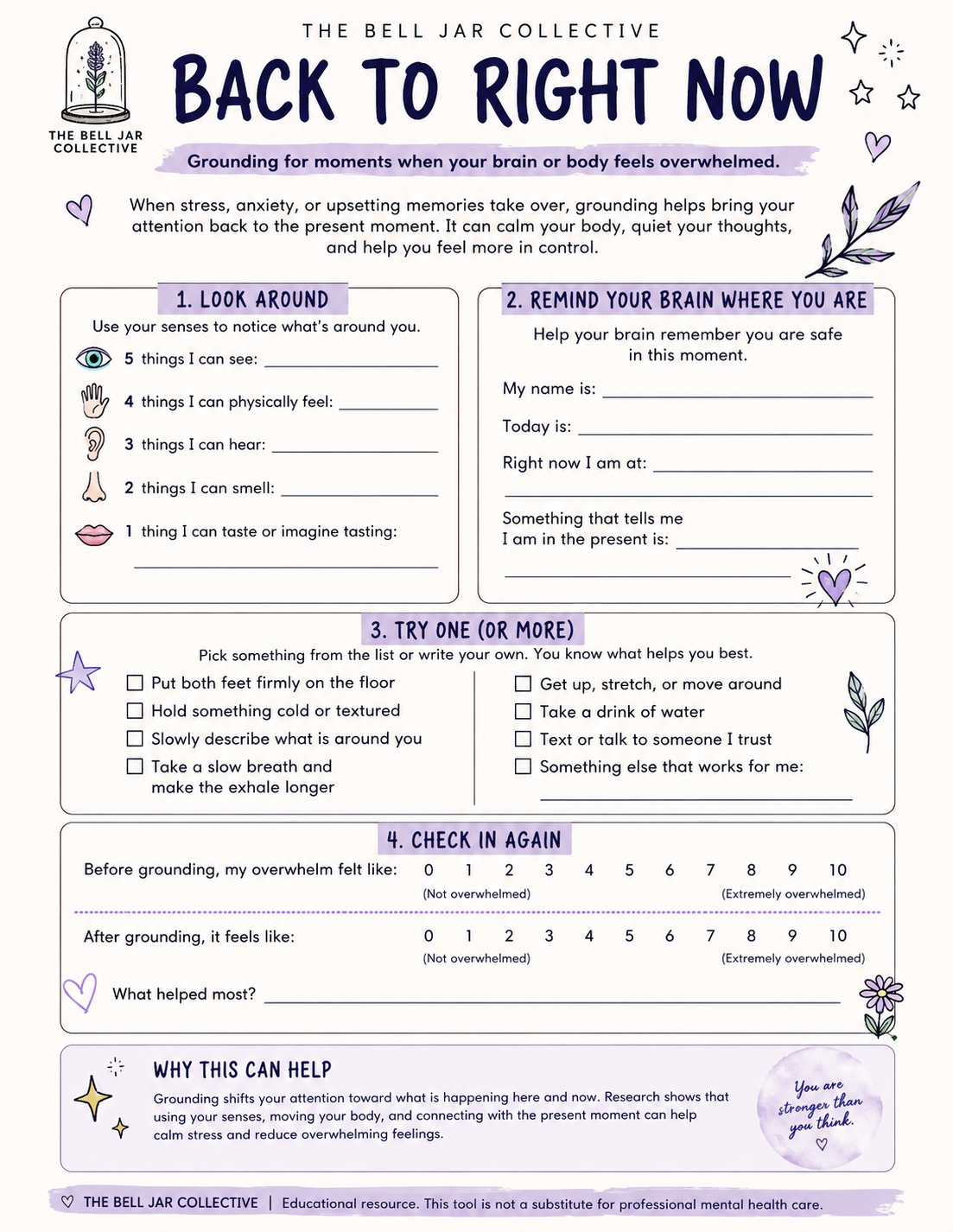
Grounding
When memories, emotions, or physical reactions become overwhelming, grounding techniques can help redirect attention toward the present moment.
One simple technique is 5-4-3-2-1 grounding:
5 things you can see
4 things you can feel
3 things you can hear
2 things you can smell
1 thing you can taste
Other grounding strategies may include noticing your feet against the floor, holding a familiar object, slowly describing your surroundings, gently slowing your breathing, or reminding yourself of where you are and what is happening right now.
Different strategies work for different people. If a particular technique increases discomfort, you can stop and try something else.
Coping After Trauma
Coping after trauma does not have to mean immediately feeling better or returning to “normal.” Recovery can involve small, manageable steps that support safety, stability, connection, and everyday functioning.
Helpful strategies may include maintaining routines when possible, spending time with supportive people, reducing isolation, engaging in movement or meaningful activities, making space for rest, practicing calming or grounding skills, and limiting unhealthy ways of coping that may create additional problems over time.
Creative activities, time outdoors, journaling, music, art, and other personally meaningful activities may also provide healthy ways to slow down, reconnect, or express difficult emotions.
EXPLORE HEALTHY WAYS TO COPE
When to Seek More Support
Many trauma reactions become less intense with time and support. For others, symptoms may continue, worsen, or begin interfering with everyday life.
Professional support may be helpful when reactions make it difficult to sleep, work, attend school, maintain relationships, complete daily responsibilities, feel safe, or participate in things that matter to you.
You do not have to wait until things become unbearable before seeking help. Trauma-informed mental health professionals can help people understand their reactions, develop coping strategies, and explore treatment options that fit their individual needs.
FIND THERAPY & ONGOING SUPPORT
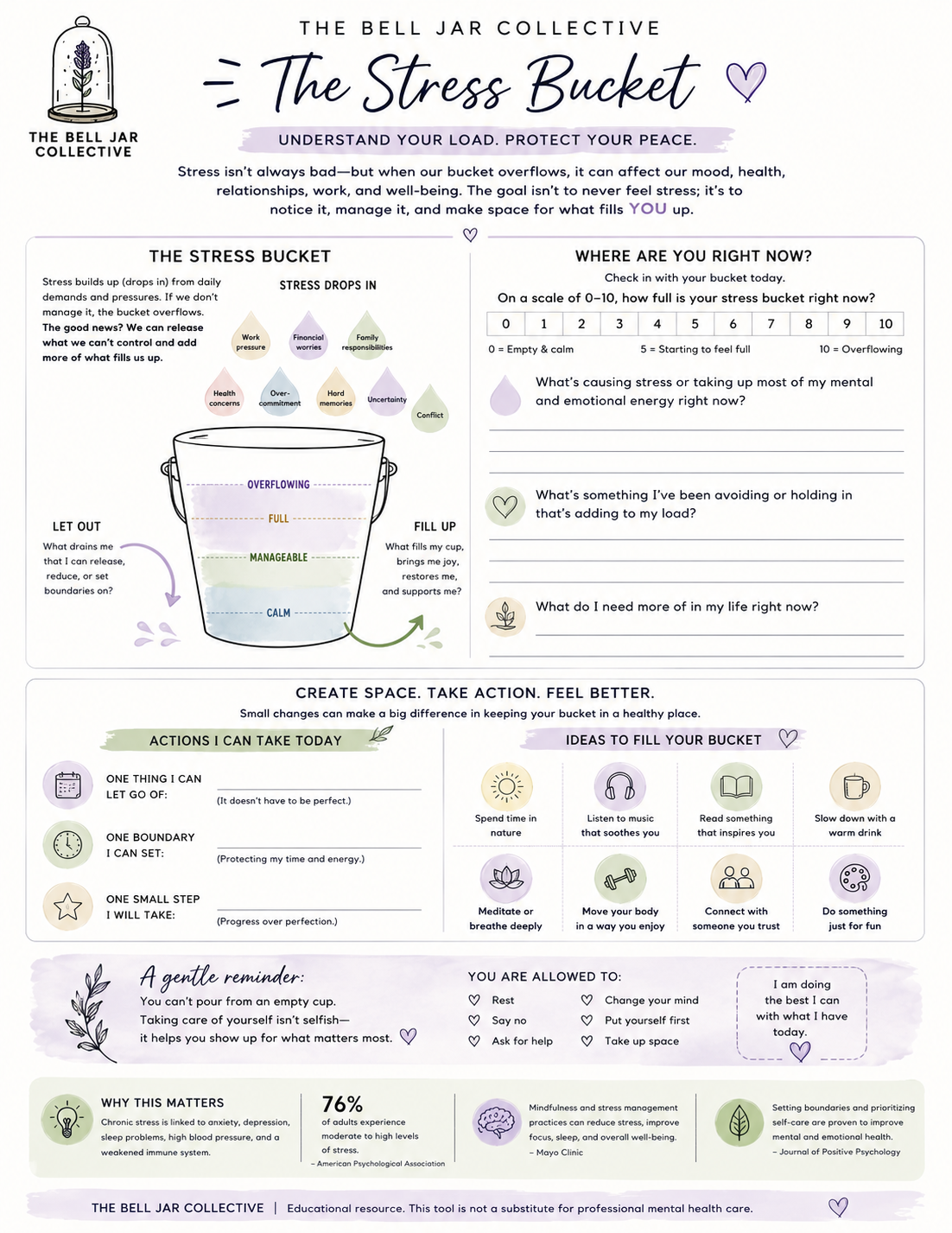
Try a Coping Tool
Sometimes it helps to have something concrete to use in the moment. Explore our printable grounding, coping, mindfulness, and creative resources for teens and adults.
05 · YOUTH & CAREGIVERS
Children, Teens & Families
Children and teens may respond to trauma differently depending on their age, development, experiences, and support systems. Changes in behavior are not always obvious signs of trauma, and younger children may not have the words to explain what they are experiencing.
Supportive, consistent adults can play an important role in helping children and teens feel safe, heard, and connected.
How Trauma Can Look in Children
Children may show changes in sleep, behavior, emotions, school performance, attachment, play, appetite, concentration, or physical complaints such as headaches or stomachaches.
Some children may become more withdrawn or fearful, while others may become more irritable, impulsive, clingy, or emotionally reactive. Trauma responses can look different from one child to another.
LEARN ABOUT CHILD TRAUMA
National Child Traumatic Stress Network — About Child Trauma
How Caregivers Can Help
Children do not need caregivers to have all the answers. Consistency, safety, patience, and connection can matter enormously.
Listen without pressuring a child to talk. Reassure them that what happened was not their fault. Maintain predictable routines when possible, give age-appropriate choices, and pay attention to changes that may indicate they need additional support.
RESOURCES FOR PARENTS & CAREGIVERS
National Child Traumatic Stress Network — Families & Caregivers
Support for Teens
Teens may need more privacy, independence, choice, and control over how and when they talk about difficult experiences.
Support can include listening without interrogation, taking their concerns seriously, helping them identify trusted adults, maintaining appropriate boundaries and routines, and giving them access to professional support when needed.
Avoid forcing a teen to disclose details before they are ready. Let them know that support remains available even if they do not want to talk right away.
TRAUMA RESOURCES FOR TEENS
National Child Traumatic Stress Network — Teens & Young Adults
When Professional Support May Help
Consider seeking additional support when changes in mood, behavior, sleep, school functioning, relationships, or daily life are persistent, worsening, or causing significant distress.
A trauma-informed mental health professional can help determine what kind of support may be appropriate for the child or teen.
If You Are Concerned About a Child's Safety
If you are concerned that a child may be experiencing abuse or neglect, you do not have to figure out what to do alone. Childhelp provides information and support to children, teens, parents, caregivers, and concerned adults.
Childhelp National Child Abuse Hotline
Call or text: 800-422-4453
Know Your Rights & Find Advocacy
Laws and legal options vary by state, Tribal jurisdiction, and individual circumstances. The Bell Jar Collective does not provide legal advice, but we can help connect you with trusted information and qualified advocacy resources.
06. FINANCIAL SUPPORT
Crime Victim Compensation
You May Be Eligible for Financial Assistance
Every state operates a crime-victim compensation program. Depending on eligibility and state rules, compensation may help with certain crime-related expenses such as medical care, mental health counseling, lost wages, funeral or burial costs, and other qualifying expenses.
Eligibility requirements, covered expenses, reporting requirements, and application deadlines vary by state.
Why this matters:
Someone seeking therapy assistance may qualify for victim-compensation funding or another victim-service program in addition to, or before, Bell Jar assistance. Exploring these options can sometimes open another path to care.
HUMAN TRAFFICKING
Rights & Survivor Services
Specialized Support May Be Available
Survivors of human trafficking may qualify for specialized victim services including advocacy, housing assistance, medical and behavioral health care, legal services, immigration-related assistance, and other support depending on their circumstances and location.
WHEN SYSTEMS BECOME PART OF THE ABUSE
Litigation Abuse
Repeated Legal Action Can Sometimes Be Used as Control
In some abusive relationships, a current or former partner may misuse court proceedings, repeated filings, custody disputes, or other legal processes as another way to maintain power, contact, financial pressure, or control. This pattern is sometimes referred to as litigation abuse.
If you believe this may be happening, a domestic-violence legal advocate or attorney familiar with abuse dynamics may be able to help you understand your options.
TECHNOLOGY & COMMUNICATION
Phone & Technology Safety
Shared Wireless Plans
Survivors who share a wireless plan with an abusive partner may have federal protections that can help them separate their phone line while keeping their number in certain circumstances.
Learn about Safe Connections Act protections
Digital Safety
If you believe someone may be monitoring your phone, computer, accounts, or browsing activity, consider using a safer device when researching support. Technology-safety resources can help you think through privacy, passwords, location sharing, account security, device monitoring, and other forms of technology-facilitated abuse
NNEDV Safety Net Project — Technology Safety Resources for Survivors
FIND LOCAL HELP
Victim Services & Legal Support Near You
Not Sure What Kind of Help You Need?
The U.S. Department of Justice Office for Victims of Crime maintains a searchable directory of victim-service organizations. You can search by location, type of victimization, and type of support needed, including advocacy, legal assistance, counseling, emergency services, and other victim services.
Talk With an Advocate
If you are unsure where to begin, a trained victim assistance specialist can help you talk through what is happening, identify the type of support you may want, and connect you with appropriate resources. VictimConnect provides confidential support, information, and individualized referrals for victims of all types of crime.
Call or text: 855-484-2846 (855-4-VICTIM)
Online chat is also available.
Legal Disclaimer
The information and external resources on this page are provided for general educational and resource purposes only and do not constitute legal advice. Laws, rights, procedures, deadlines, and available services vary by jurisdiction and individual circumstances. For advice about your specific situation, contact a qualified attorney or victim advocate in your area.
Alaska Resources
Copper River / Glennallen Area
Local counseling, behavioral health, advocacy, child and family, and community support.
Copper River Native Association Behavioral Health
Provides behavioral health services for adults, children, and families, including individual counseling, trauma support, substance-use services, case management, assessments, and referrals.
Main / Scheduling: (907) 822-5241
Behavioral Health Intake: (907) 822-8833
Visit Copper River Native Association Behavioral Health
Cross Road Medical Center
Provides counseling and behavioral health services alongside primary medical care for individuals and families in the Copper River region. Services offer another local option for people seeking mental health and emotional support.
Phone: (907) 822-3203
Location: Glennallen, Alaska
Visit Cross Road Medical Center
Copper River Basin Child Advocacy Center
Provides specialized, child-centered support for children and families when abuse or maltreatment is suspected. Children's Advocacy Centers help coordinate services and multidisciplinary responses while working to reduce additional trauma for children and families.
VALDEZ / PRINCE WILLIAM SOUND
Advocates for Victims of Violence (AVV)
Valdez-based support for people affected by domestic violence and sexual assault. AVV provides a 24/7 crisis line and connects individuals with advocacy and victim-support services.
Office: (907) 835-2980
24/7 Crisis Line: (907) 835-2999
24/7 Text Line: (907) 255-2985
Statewide: 1-800-835-4044
Visit Advocates for Victims of Violence
Need services outside Valdez?
Alaska's state victim-services directory also lists programs throughout surrounding and rural communities, including Cordova and other areas.
ANCHORAGE / EAGLE RIVER
Standing Together Against Rape (STAR)
Free survivor services for people affected by sexual assault. STAR provides crisis intervention, advocacy and support, and operates a confidential crisis line 24 hours a day.
Anchorage Crisis Line: (907) 276-7273
Statewide Toll-Free: 1-800-478-8999
Abused Women's Aid in Crisis (AWAIC)
Provides domestic-violence shelter, intervention, advocacy and support in Anchorage and surrounding communities. Its crisis and support line operates 24 hours a day.
24-Hour Crisis & Support Line: (907) 272-0100
Alaska Behavioral Health
Provides outpatient behavioral-health services, including mental-health assessment and treatment. Alaska's Department of Public Safety also lists the organization among Anchorage mental-health resources.
Visit Alaska Behavioral Health
For sexual violence → STAR
For domestic/interpersonal violence → AWAIC
For ongoing behavioral-health care → Alaska Behavioral Health
That little three-line guide is something I would put on the website. It makes this section much more usable for someone who is already overwhel
MAT-SU / PALMER / WASILLA
Alaska Family Services
This is the big one I would feature for Mat-Su.
Alaska Family Services provides domestic-violence and sexual-assault services, crisis response, shelter, counseling, legal advocacy, behavioral-health treatment, and family-support services. It operates multiple locations, including Palmer and Wasilla.
24-Hour Crisis Line: (907) 746-4080
Toll-Free: 1-866-746-4080
Alaska Behavioral Health — Mat-Su
The Wasilla outpatient clinic provides individual and group therapy and behavioral-health assessment for adults.
Mat-Su Outpatient Clinic:
351 W. Parks Highway
Wasilla, AK 99654
Phone: (907) 563-1000
FAIRBANKS / INTERIOR
Interior Alaska Center for Non-Violent Living
This should absolutely be the featured resource here.
IAC provides free and confidential services addressing domestic violence, sexual assault and other violent crimes. Services include 24-hour support, shelter, advocacy and other assistance. Although based in Fairbanks, it serves Fairbanks North Star Borough and communities throughout Interior Alaska, including 42 villages.
24/7 Local Hotline: (907) 452-2293
Toll-Free: 1-800-478-7273
Visit Interior Alaska Center for Non-Violent Living
Additional Interior Resources
The State of Alaska also identifies additional providers serving Fairbanks and Interior communities, including Tanana Chiefs Conference and Fairbanks-area child and family resources.
KENAI PENINSULA / HOMER
I would actually split this little box into Central Peninsula and Southern Peninsula, because there are two excellent established programs.
The LeeShore Center — Kenai / Soldotna
Serves the central Kenai Peninsula with domestic-violence and sexual-assault shelter, advocacy, crisis support, children's services and other survivor services.
Office: (907) 283-9479
24-Hour Crisis Line: (907) 283-7257
South Peninsula Haven House — Homer
Supports individuals and families impacted by domestic violence, child abuse and sexual assault through safe shelter, crisis intervention, advocacy and prevention services.
Office: (907) 235-7712
24/7 Crisis Line: (907) 235-8943
Toll-Free: 1-800-478-7712
OTHER ALASKA COMMUNITIES
Don't see your community? You still have options.
Alaska is vast, and access to support shouldn't depend on where you live. Statewide organizations and directories can help you locate counseling, advocacy, shelter, crisis support, legal resources, food assistance, housing and other services throughout Alaska.
Alaska 211
Search by city or ZIP code for mental-health care, housing and shelter, food assistance, family support, health care, legal services and other community resources.
Alaska Network on Domestic Violence & Sexual Assault
ANDVSA's network includes 24 member programs across Alaska providing services that may include shelter, hotlines, advocacy, counseling, support groups, transportation assistance, rural outreach and medical accompaniment. Specific services vary by program.
Find Domestic & Sexual Violence Support in Alaska
State of Alaska Victim Resources
State directories can help locate victim-service organizations and other support throughout Alaska.
FIND TRAUMA-INFORMED CARE
Finding the right therapist can take time. These directories can help you search for licensed mental health providers based on location, specialty, insurance, cost, and availability.
FindTreatment.gov
A confidential, anonymous treatment locator operated by the U.S. Substance Abuse and Mental Health Services Administration (SAMHSA). Search by location for mental health and substance-use treatment providers throughout the United States and its territories.
Psychology Today Therapist Directory
Search for therapists by location and narrow results by concerns, treatment approach, insurance, cost, and other preferences.
Open Path Psychotherapy Collective
For people who are uninsured, underinsured, or otherwise unable to afford standard therapy rates. Open Path connects eligible clients with participating therapists offering reduced-fee in-person and online therapy. There is a one-time membership fee, and eligibility requirements apply.
Before Choosing a Provider
Consider asking whether the therapist:
Is licensed in the state where you live
Has experience working with the type of trauma or concern you're seeking help for
Accepts your insurance or offers sliding-scale rates
Provides telehealth if local options are limited
Is currently accepting new clients
You are allowed to ask questions before deciding whether a therapist feels like the right fit.
FOR SOMEONE YOU CARE ABOUT
Supporting Someone After Trauma
When someone you care about has experienced trauma, you may want to fix the situation, find the right words, or know exactly what to do. Often, one of the most helpful things you can offer is a safe, supportive presence.
You do not need to have all the answers. Listening, believing them, respecting their choices, and helping them access support when they want it can make a meaningful difference.
Listen Without Pressure
Let them decide how much they want to share and when they want to share it. Avoid pushing for details or asking questions that could feel like they need to explain or defend what happened.
Simple responses such as “I believe you,” “I’m here,” or “What would feel helpful right now?” can communicate support without taking control away from them.
Respect Their Choices
Trauma can involve a profound loss of control. Whenever possible, allow the person you are supporting to make their own decisions about what happens next.
They may not be ready to report, leave a relationship, seek therapy, talk to family, or take another step that seems obvious from the outside. You can provide information and options without pressuring them into a particular decision.
Offer Practical Support
Sometimes support is less about finding the perfect thing to say and more about helping make the next step manageable.
You might offer to help them:
Find a therapist or advocate
Make a phone call
Locate medical or legal resources
Attend an appointment with them
Arrange transportation or childcare
Create a safety plan
Find information without requiring them to research everything alone
Ask what would actually be helpful rather than assuming what they need.
Help Them Connect With Support
You can help someone explore professional resources while still allowing them to decide whether and when they want to use them.
Sexual Assault & Sexual Violence
Information for friends and family supporting someone who has experienced sexual violence.
RAINN — How to Support a Survivor
Domestic & Relationship Abuse
Guidance for supporting someone who may be experiencing an abusive or controlling relationship.
National Domestic Violence Hotline — Support Others
Children & Teens Experiencing Trauma
Resources for parents, caregivers, and other trusted adults helping children and teens understand and recover from traumatic experiences.
National Child Traumatic Stress Network — Families & Caregivers
Mental Health & Emotional Crisis
Guidance for recognizing when someone may be struggling emotionally and information about how you can support them and connect them with additional help.
988 Lifeline — Help Someone Else
Human Trafficking
Confidential information and resources for people concerned that someone they know may be experiencing sex or labor trafficking. The National Human Trafficking Hotline can also connect people with local services.
National Human Trafficking Hotline — Get Help
Remember to Care for Yourself, Too
Supporting someone through trauma can affect you emotionally, especially when you care deeply about the person or feel responsible for keeping them safe.
It is okay to recognize your own limits, seek support, and take care of your emotional well-being. Supporting someone does not mean you have to carry everything for them.
Not Sure Where to Start?
You do not have to become an expert in trauma to support someone you care about. Start by listening, believing them, respecting their choices, and helping them find reliable information when they are ready.
NEED HELP PAYING FOR THERAPY?
The Bell Jar Collective is working to reduce financial barriers that can prevent people impacted by trauma from accessing mental health care.
Therapy Assistance
Depending on available funding, program eligibility, and current capacity, The Bell Jar Collective may provide financial assistance toward therapy with an independently selected licensed mental health provider.
Assistance may help with costs such as:
✓ Therapy session fees
✓ Insurance copays or coinsurance
✓ Costs for individuals who are uninsured or underinsured
Submitting an application does not guarantee funding. Assistance amounts and availability may vary based on current funding, individual circumstances, and program capacity.
Who Can Apply?
Our work has a special commitment to individuals impacted by sexual violence and interpersonal abuse, while recognizing that trauma takes many forms.
Individuals and families experiencing other forms of trauma or crisis may also apply for assistance.
You Choose Your Provider
Recipients are not required to receive therapy from a provider affiliated with The Bell Jar Collective.
You choose your licensed mental health provider.
The Bell Jar Collective does not provide therapy, diagnose conditions, recommend a specific course of treatment, or direct clinical care. Our role is to help reduce financial barriers to accessing independently provided mental health services.
Ready to Apply?
Complete the Therapy Assistance Application to tell us about the support you're seeking. Applications are reviewed based on program eligibility, available funding, and current capacity.
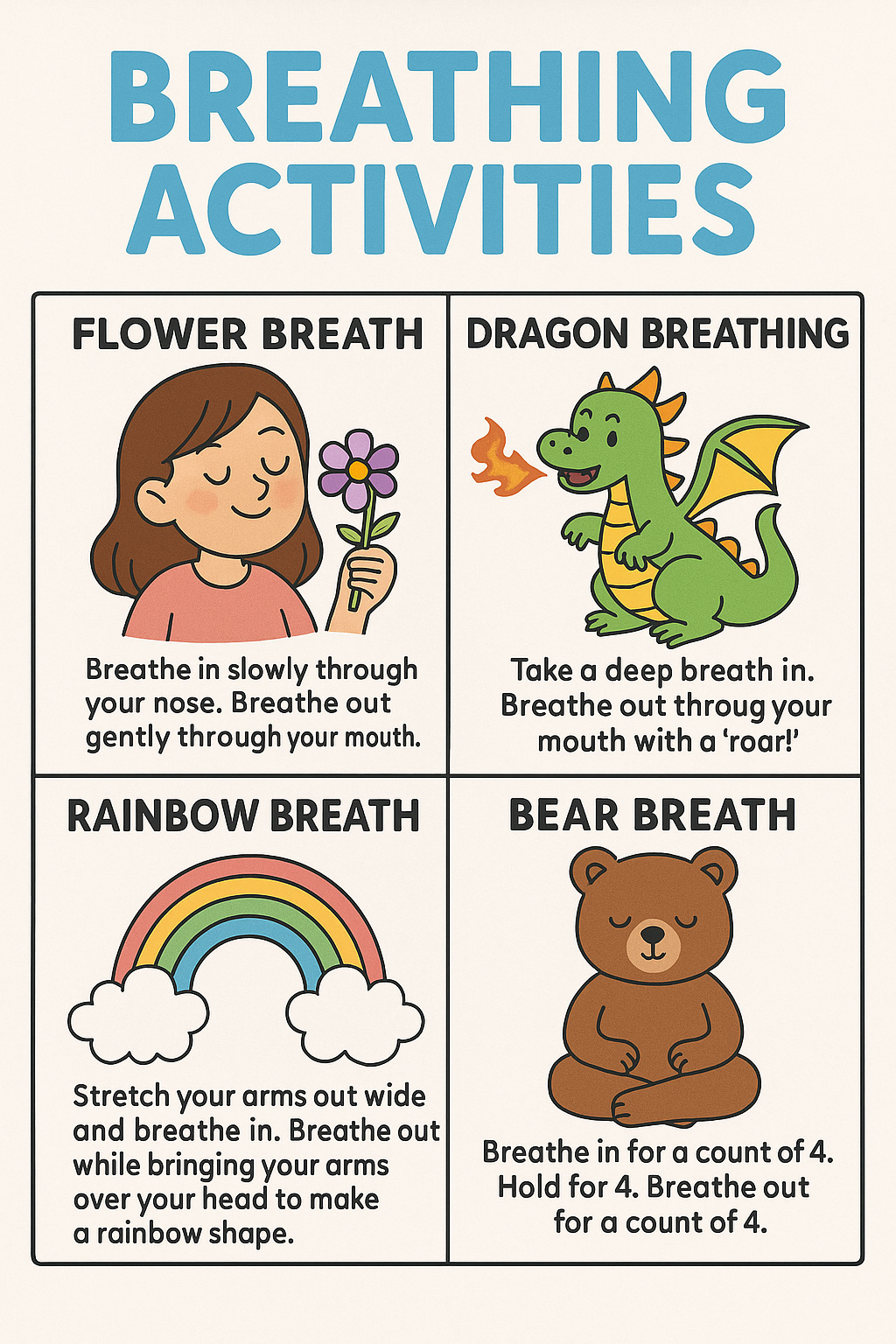
Deep Breathing

Age Range 3-5 Years
Draw Your Emotions

Feelings Chart

Star Breathing


Age Range 6-8 Years



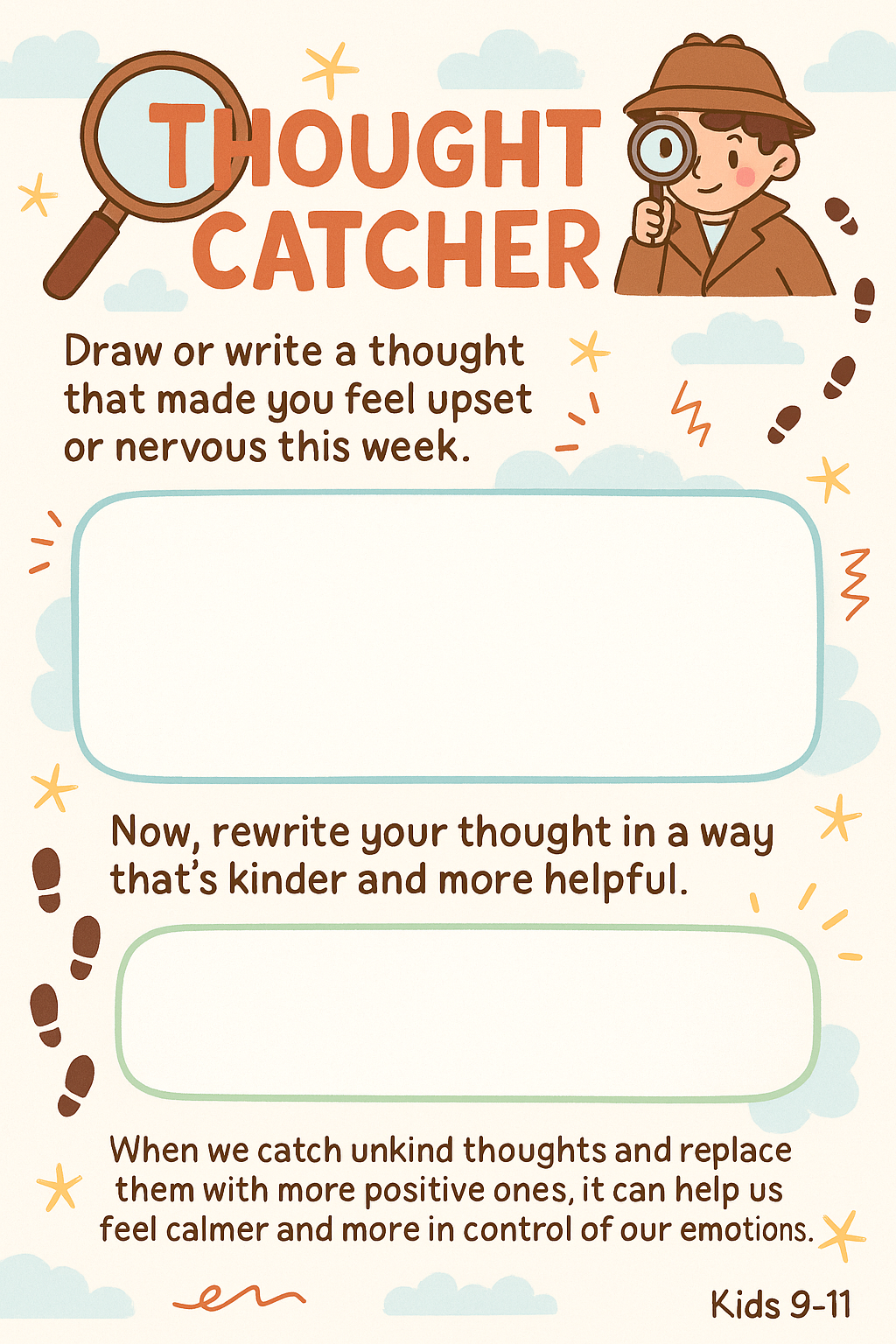
Age Range 9-11 Years


Teens


Adults